
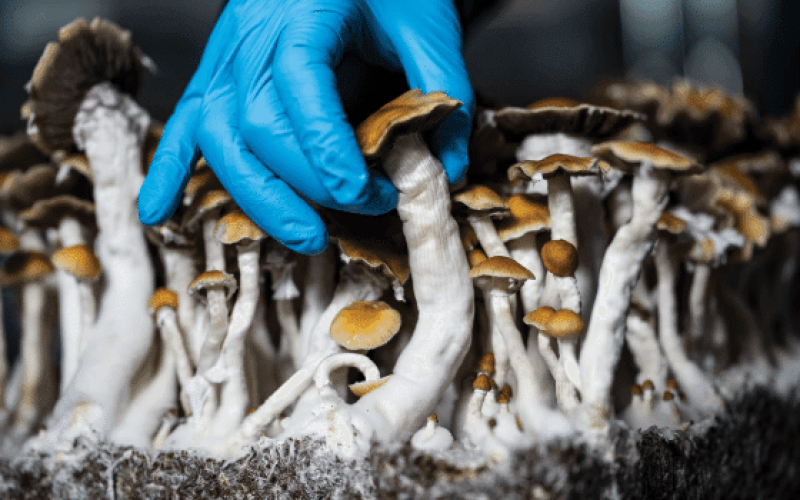
Psilocybin extraction refers to the process of isolating the psychoactive alkaloids psilocybin and psilocin from psilocybin-containing mushrooms. As scientific interest in psychedelic compounds continues to grow, psilocybin extraction has become an important area of study in analytical chemistry, pharmaceutical development, and natural product research.
Licensed laboratories use psilocybin extraction to analyze mushroom chemistry, produce standardized research materials, and study the stability and concentration of psychedelic compounds. Because psilocybin is a highly polar molecule, successful extraction depends on factors such as solvent compatibility, temperature control, and specialized laboratory equipment.
Understanding how psilocybin extraction works helps researchers develop reliable analytical workflows and maintain consistency when studying psychedelic compounds.
Sections
ToggleWhat Is Psilocybin and Why It's Being Researched
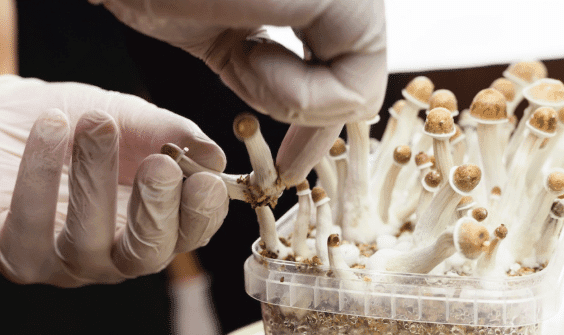
Psilocybin is a naturally occurring psychedelic compound found in several species of mushrooms, most commonly within the genus Psilocybe. Chemically, psilocybin belongs to a group of molecules known as tryptamine alkaloids.
When psilocybin is metabolized in the human body, it is converted into psilocin. Psilocin interacts with serotonin receptors in the brain, which is responsible for the altered perception and cognitive effects associated with psychedelic mushrooms.
In recent years, psilocybin has attracted significant scientific interest due to emerging research exploring its potential therapeutic applications. Clinical studies are investigating psilocybin assisted therapies for conditions such as treatment resistant depression, anxiety disorders, addiction, and post traumatic stress disorder.
As a result, researchers are increasingly studying psilocybin extraction and analytical testing methods to better understand the chemical composition and stability of compounds found in psychedelic mushrooms.
The Purpose of Psilocybin Extraction

Psilocybin extraction serves several important purposes in scientific and pharmaceutical research.
One of the primary reasons for psilocybin extraction is to produce standardized materials for laboratory studies and clinical trials. Natural mushroom samples can vary significantly in chemical composition depending on species, cultivation conditions, and storage environment.
By isolating psilocybin and psilocin through extraction, researchers can obtain samples with consistent chemical composition. This improves the reliability of scientific experiments and clinical investigations.
Psilocybin extraction is also essential for chemical analysis and potency testing. Analytical laboratories isolate psilocybin and psilocin from mushroom samples before measuring them with chromatographic techniques.
Standardized extracts help researchers understand compound concentration, evaluate stability, and ensure quality control across research samples.
Key Principles of Psilocybin Extraction
Before examining extraction technologies it is important to understand the chemical and physical principles that influence psilocybin extraction.
1. Solvent Polarity
Psilocybin is a highly polar molecule due to the presence of a phosphate group in its structure. Because of this polarity, psilocybin dissolves more easily in polar environments commonly used in analytical chemistry.
Understanding solvent polarity is essential when designing extraction processes because it determines how effectively psilocybin can be separated from biological material.
2. Mushroom Preparation
Mushroom material used in laboratory analysis is typically dried and finely ground before extraction. Grinding increases the surface area of the material and improves the ability of solvents to interact with intracellular compounds.
Greater surface area generally improves extraction efficiency by allowing solvents to access target molecules more effectively.
3. Temperature Control
Temperature is another important factor in psilocybin extraction. Higher temperatures can increase diffusion rates and accelerate extraction efficiency. However excessive heat may contribute to degradation of psilocin, which is less chemically stable than psilocybin.
Careful temperature management helps preserve compound stability during analytical workflows.
4. Extraction Efficiency
Extraction efficiency is influenced by factors such as solvent exposure time, solvent to material ratios, and mixing conditions. In laboratory environments multiple extraction cycles may be used to improve compound recovery from biological samples.
Understanding these principles helps researchers optimize psilocybin extraction while preserving compound integrity.
Chemical Properties That Influence Psilocybin Extraction
The chemistry of psilocybin plays a major role in how it behaves during extraction and analysis.
1. Polarity
Psilocybin is classified as a highly polar compound. This property strongly influences its solubility and extraction behavior.
2. Solubility
Psilocybin is soluble in polar solvents due to the phosphate group present in its molecular structure. This solubility is a key factor that enables the compound to be separated from mushroom material for analytical study.
3. Molecular Structure
The indole ring structure present in psilocybin places it within the family of tryptamine alkaloids. These molecules are widely studied in pharmacology due to their interaction with serotonin receptors.
4. Conversion to Psilocin
Psilocybin is considered a prodrug because it converts into psilocin when metabolized in the body. Psilocin is the compound primarily responsible for the psychedelic effects associated with psilocybin mushrooms.
Stability Challenges in Psilocybin Extraction
One of the major challenges in psilocybin extraction is maintaining compound stability.
Psilocin is particularly sensitive to environmental conditions such as oxygen exposure, heat, and light. These factors can lead to chemical degradation that reduces measurable compound concentration.
Maintaining proper storage conditions and minimizing environmental exposure helps preserve the chemical integrity of extracted samples.
Temperature control, reduced light exposure, and proper sample handling are important considerations when conducting psilocybin extraction and analysis.
Equipment Used in Psilocybin Extraction
Download the Equipment Selection Guide
Get a free, practical guide to choosing the right extraction method and lab equipment for psilocybin research and production.
Includes: method comparison • equipment checklists by scale • compliance snapshot • decision framework
We respect your privacy. No spam, ever. Unsubscribe anytime.
A modern psilocybin extraction workflow may involve several types of laboratory equipment used for compound isolation, purification, and analysis.
1. Extraction Systems
Extraction systems are used to separate chemical compounds from biological materials. These systems may range from simple laboratory vessels to more advanced extraction platforms designed for controlled temperature and solvent exposure.
2. Filtration and Separation Equipment
After extraction the resulting liquid often contains particulate material and biological debris. Filtration systems remove these solids and produce clarified extracts suitable for further analysis.
Membrane filters, vacuum filtration systems, and centrifugation equipment are commonly used for this purpose.
3. Evaporation Systems
Evaporation equipment such as rotary evaporators is commonly used in natural product laboratories. These devices remove solvents under reduced pressure and controlled temperatures to concentrate extracted compounds.
4. Drying and Purification Equipment
Vacuum ovens and freeze dryers may be used to remove moisture from extracted materials. Proper drying helps stabilize samples prior to analytical testing.
5. Ultrasonic Processors
Ultrasonic processors are increasingly used in botanical extraction laboratories. These devices generate acoustic cavitation that disrupts cell structures and improves solvent penetration into biological material.
Purity and Quality Control
Ensuring the purity and consistency of psilocybin extracts requires rigorous analytical testing.
1. Chromatographic Analysis
Thin layer chromatography can be used as an initial qualitative method to assess compound presence in extracts.
2. HPLC Analysis
High performance liquid chromatography is widely considered the gold standard technique for measuring psilocybin concentration. HPLC separates compounds within a mixture and allows precise quantification of psilocybin and psilocin levels.
3. Stability Testing
Stability testing evaluates how psilocybin extracts respond to environmental conditions such as temperature, light exposure, and storage duration. These tests help determine appropriate storage conditions and shelf life.
Read More About Cannabis Chromatography: Purification Techniques for High-Quality Extracts
Compliance and Safety
Psilocybin remains a controlled substance in many jurisdictions. Because of this regulatory status psilocybin extraction is typically conducted only in licensed research facilities with appropriate regulatory authorization.
Laboratories conducting psilocybin extraction must implement strict safety and compliance protocols including controlled substance documentation, secure storage systems, and detailed standard operating procedures.
Personnel working with chemical solvents and controlled substances must also receive appropriate safety training and follow laboratory safety guidelines.
Future of Psilocybin Extraction
Interest in psilocybin research continues to grow as new studies explore the potential therapeutic benefits of psychedelic compounds.
Advances in analytical chemistry and biotechnology are improving the ability of scientists to analyze psychedelic compounds with greater precision.
New technologies in natural product extraction, analytical instrumentation, and biosynthetic research may further expand the scientific understanding of psilocybin and related compounds.
As psychedelic research continues to evolve, psilocybin extraction will remain an important area of investigation within pharmaceutical science and natural product chemistry.
Conclusion
Understanding the psilocybin extraction process is essential for producers exploring psychedelic extracts. With the advancement of medicine and technology, it is becoming easier to produce pharmaceutical-grade materials. As psilocybin extraction remains tightly regulated and limited to authorized research contexts, the compliance requirements must be thoroughly studied and implemented.
Frequently Asked Questions About Psilocybin Extraction
Psilocybin is soluble in polar solvents, including certain alcohols used in analytical chemistry. Solubility characteristics influence how researchers analyze psilocybin in laboratory studies.
Psilocybin is a prodrug that converts into psilocin once metabolized in the body. Psilocin is the compound primarily responsible for the psychedelic effects associated with psilocybin mushrooms.
Yes. Psilocybin is classified as a tryptamine alkaloid, a group of naturally occurring compounds that share structural similarities with serotonin.
Psilocybin itself is relatively stable compared with psilocin, which is more sensitive to environmental conditions. Psilocin can degrade when exposed to oxygen, heat, or light, which is why careful temperature control and storage conditions are important during analytical studies.
Maintaining stability helps ensure accurate measurement of psychedelic compounds during chemical analysis.
Psilocybin is a highly polar compound and is soluble in water. Because of this property, water can dissolve psilocybin during laboratory analysis or chemical testing. The solubility of psilocybin in water is influenced by factors such as temperature, pH, and exposure time.
In analytical research, water based systems may be used alongside other polar solvents to study the chemical composition of psilocybin containing mushrooms.